
The Rise of the Creator Economy: How to Profit from Your Passion
The creator economy is booming, with millions of people worldwide turning their passions into profitable careers. From YouTubers and Instagram influencers to bloggers and podcasters, creators are monetising their content and building loyal audiences. If you have a creative passion, this blog will explore how you can turn it into a side income and possibly a full-time career.
In this guide, we’ll cover how the creator economy works, ways to monetise your content, and tips for growing your personal brand.
What Is the Creator Economy?
The creator economy refers to the ecosystem where independent creators build, distribute, and monetise content online. Thanks to platforms like YouTube, TikTok, Instagram, and Patreon, content creators now have a direct line to their audiences and are no longer reliant on traditional media outlets to make a living.
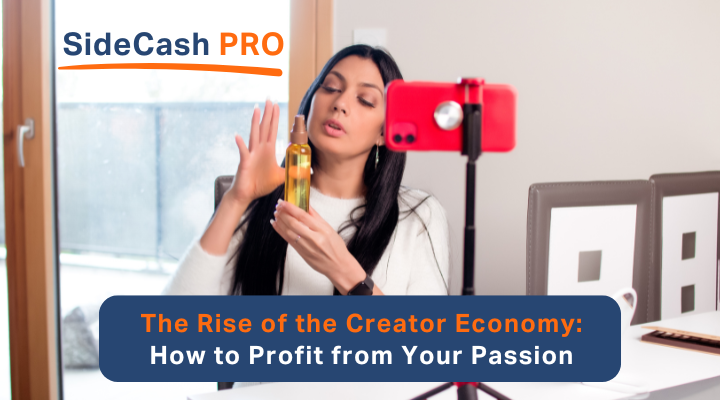
How It Works
- Create Content: Creators produce content in various forms, such as videos, blog posts, podcasts, and social media updates. This content is often centred around a specific niche like beauty, fitness, tech, or lifestyle.
- Build an Audience: As creators consistently share their work, they attract a dedicated audience that values their unique voice, insights, or entertainment.
- Monetise: Once a following is established, creators can monetise their content in a variety of ways, from ad revenue to brand sponsorships, merchandise sales, and subscription models.
The rise of platforms designed to help creators make money has levelled the playing field, allowing anyone with talent and dedication to profit from their passion.
How Creators Are Monetising Their Content
Monetisation is one of the most exciting aspects of the creator economy. There are multiple ways to turn your content into income, each with different levels of commitment and potential earnings.
-
Ad Revenue
Platforms like YouTube, TikTok, and blogs offer ad revenue-sharing programmes that allow creators to earn money based on views or clicks. For example:
- YouTube pays creators through its partner programme, with earnings coming from ads displayed before or during videos.
- Blogs can generate revenue through display ads or affiliate marketing embedded within their content.
While ad revenue is often the first income stream creators explore, it typically requires a large audience to generate significant earnings.
-
Sponsorships and Brand Deals
As your audience grows, brands may approach you to promote their products or services. Sponsorships can be one-off deals or long-term collaborations. Creators often post reviews, tutorials, or lifestyle content that integrates the brand naturally.
For example:
- A fitness influencer might partner with a health supplement company to promote their products.
- A tech reviewer may receive gadgets from brands to showcase on their channels.
Transparency is key when working with sponsors—audiences appreciate honesty, and sponsored content should align with your personal brand and values.
-
Selling Digital Products
Many creators capitalise on their knowledge and skills by selling digital products such as:
- E-books: Share your expertise by creating a guide or how-to book.
- Online Courses: Teach your audience a skill you’ve mastered, like photography, writing, or fitness training.
- Templates and Printables: Many creators sell downloadable content, such as design templates or productivity planners, that their audience can use immediately.
Selling digital products allows creators to generate passive income, especially if the product is evergreen and appeals to their niche.
-
Subscription Services
Subscription-based platforms like Patreon and Substack allow creators to offer exclusive content in exchange for monthly payments. This model works particularly well for creators with loyal audiences who are willing to pay for more in-depth or personalised content.
- Patreon: Creators can offer subscribers behind-the-scenes content, early access to videos, or members-only podcasts.
- Substack: Writers and journalists often use this platform to send newsletters with premium articles to paying subscribers.
Subscription models provide creators with a consistent, reliable income stream.
Building Your Brand in the Creator Economy
Monetising your content is only one part of the equation—building a strong personal brand is essential for long-term success. Here’s how you can develop and grow your creator brand.
1. Define Your Niche
Focusing on a niche allows you to stand out and attract a targeted audience. Whether you’re passionate about travel, personal finance, or DIY crafts, having a clear niche ensures you’re producing content for a specific group of people who are interested in what you offer.

2. Be Consistent with Content
Consistency is key in the creator economy. Audiences want to know when and where they can expect new content from you. Choose a content schedule that fits your lifestyle, whether it’s weekly blog posts, daily Instagram stories, or monthly podcasts. Over time, this builds trust and strengthens your relationship with your audience.
3. Engage with Your Audience
Unlike traditional celebrities, creators in the modern economy thrive on their ability to connect with their audience. Respond to comments, ask for feedback, and be approachable. Engaging with your community makes them feel valued and more likely to support your content.
4. Stay Authentic
Audiences in the creator economy value authenticity above all else. Don’t try to be something you’re not, or change who you are just to appeal to brands. Your authenticity is what will keep people coming back and will build trust with both your followers and potential sponsors.
Challenges Creators Face in the Creator Economy
While the creator economy offers plenty of opportunities, it’s not without its challenges. Understanding these obstacles can help you navigate them more effectively.
1. Over-Saturation
With millions of creators out there, standing out in a crowded space can be difficult. That’s why it’s important to carve out a niche and offer unique value to your audience.
2. Income Instability
One of the biggest challenges for creators is the fluctuating nature of income. Ad revenue and sponsorship deals can vary from month to month, which is why diversifying your income streams is key. Having multiple revenue sources, such as digital products and subscription services, can help smooth out the ups and downs.
3. Burnout
Consistently creating content can lead to burnout if you’re not careful. Many creators feel pressure to constantly produce and engage with their audience, leading to exhaustion. It’s crucial to set boundaries and take breaks to maintain a sustainable work-life balance.
Round up
The creator economy offers endless possibilities for turning your passion into profit. By focusing on creating valuable content, engaging with your audience, and monetising strategically, you can build a successful side income—or even a full-time career—as a creator.

Key Takeaways
- The creator economy allows individuals to turn their passions into profitable ventures through various platforms.
- Creators can monetise their content through ad revenue, sponsorships, digital products, and subscription services.
- Building a strong personal brand with a clear niche and consistent content is essential for long-term success.
- Staying authentic and engaging with your audience is key to building trust and loyalty.
- While there are challenges like income instability and burnout, diversifying revenue streams and setting boundaries can help manage these.